Context and Challenges
WHO and the Pan American Health Organization needed to engage younger and more diverse audiences around two complex public health issues.
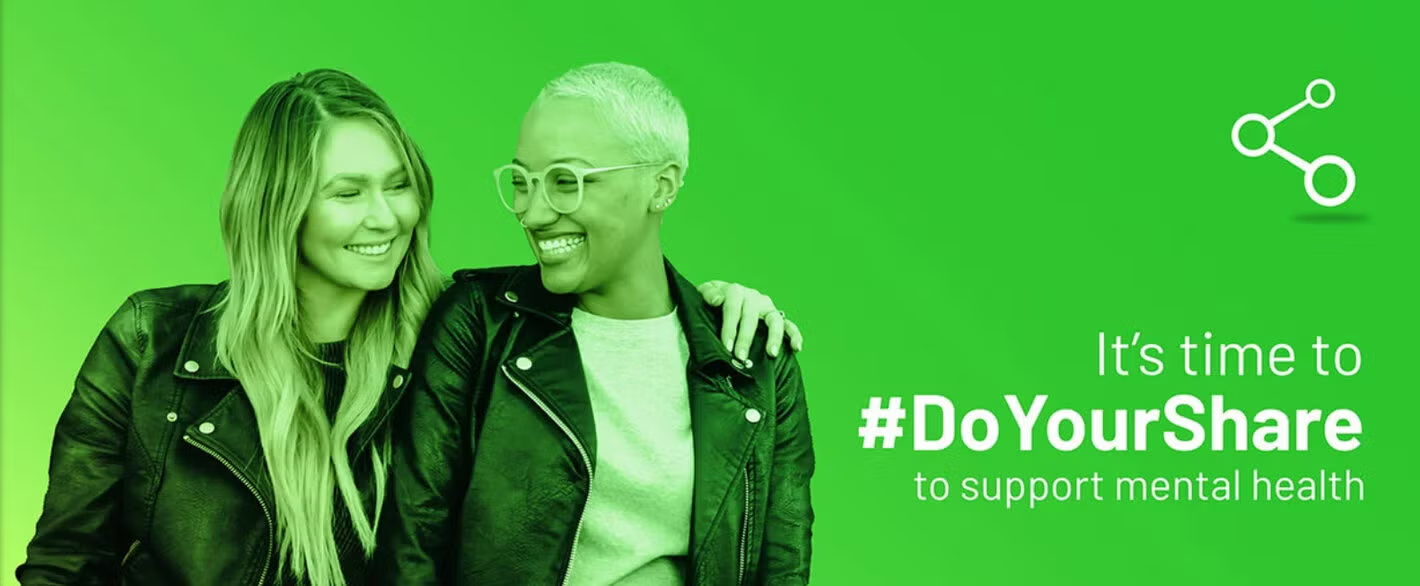
For World No Tobacco Day, WHO launched #TobaccoExposed to raise awareness of the environmental impact of the tobacco industry. For World Mental Health Day, PAHO launched #DoYourShare across 14 countries to encourage open conversations about mental health and reduce stigma.
Both campaigns needed credible voices who could translate institutional messages into relevant social content without losing scientific accuracy or sensitivity.
Our Role
Members of the Research for Purpose network led creator identification, vetting and engagement across the two campaigns.
For WHO, we screened more than 80 creators and recruited 19 influencers across Europe, Africa, South-East Asia, the Eastern Mediterranean and the Western Pacific. We focused on science communicators and creators working on health and sustainability.
For PAHO, we identified nine creators across Latin America and the Caribbean, prioritising authentic voices working on wellbeing, lifestyle and community issues. Selection considered cultural and linguistic relevance across English, Spanish and Portuguese audiences.
Across both campaigns, creators were assessed for credibility, audience relevance, values alignment and reputational risk. They were then supported to communicate in their own voice while remaining consistent with the campaigns’ public health messages. Together, the creators published 96 posts across major social platforms.
Results
The WHO activation reached 3.2 million people and generated 18.7 million impressions, 116,000 engagements and 10.1 million video views. A collaboration with science creator @oneminmicro produced WHO’s most-viewed Instagram Reel at the time, with 6.8 million views and 205,000 engagements.
The PAHO activation reached 3 million people and generated 33.6 million impressions, 77,000 engagements and 1.3 million video views.
Beyond the headline figures, the campaigns showed how the choice of messenger shapes the way complex and sensitive issues are received. Science communicators made technical evidence more accessible, while wellbeing and community creators approached mental health through personal, culturally relevant storytelling. Giving creators space to communicate in their own voice, within clear public-health guidance, helped both campaigns reach audiences beyond institutional channels while maintaining accuracy and sensitivity.
Most collaborations were secured without paid fees, showing that a strong connection to the campaign’s purpose was also an important part of creator recruitment.